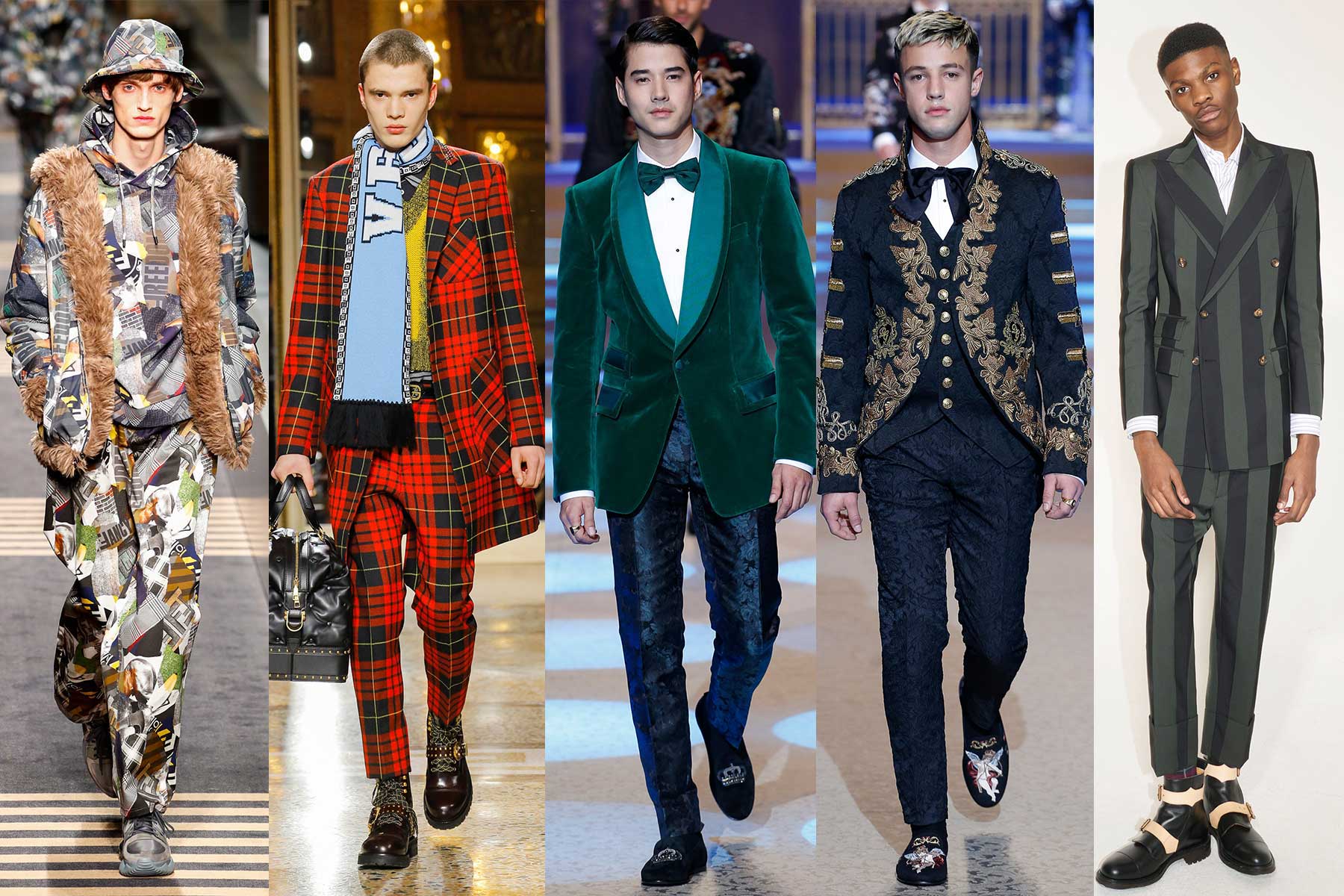
Fashion is something we deal with everyday. Even people who say they don’t care what they wear choose clothes every morning that say a lot about them and how they feel that day.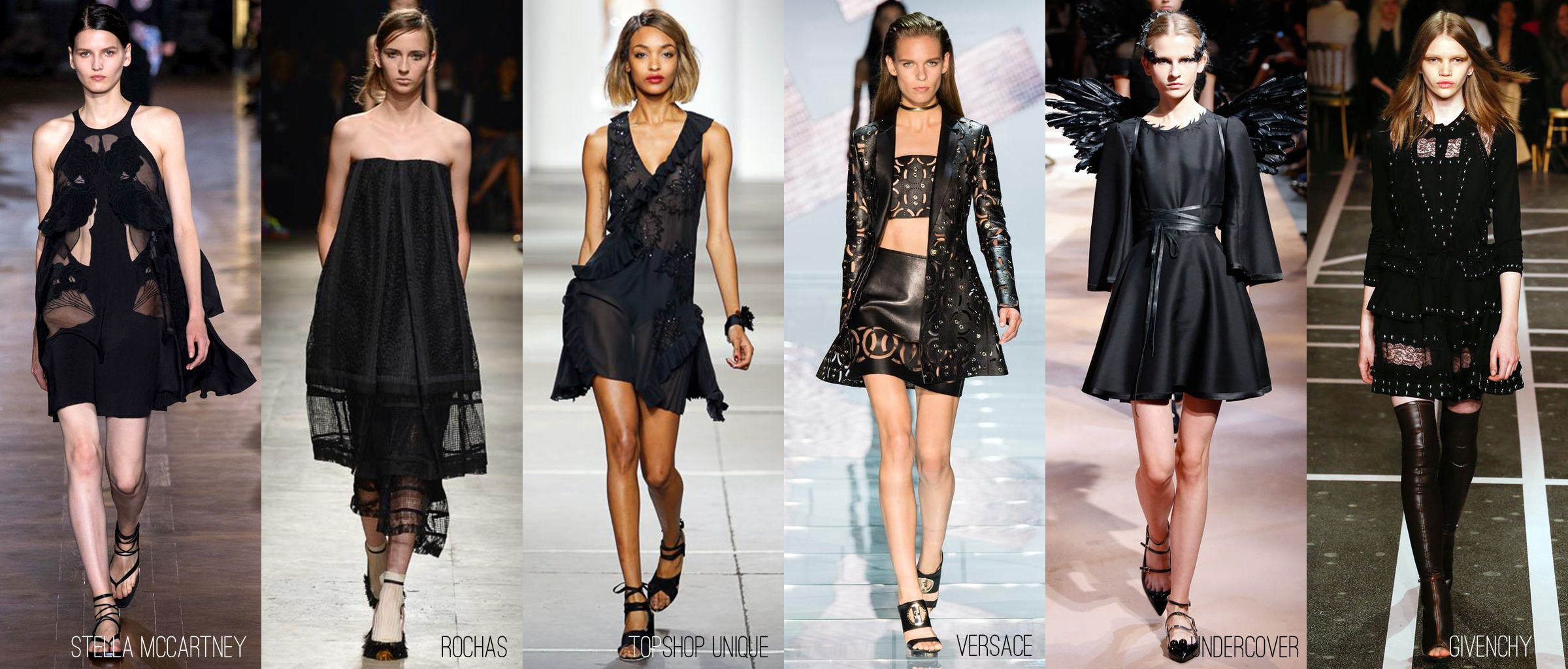
“A little of what you call frippery is very necessary towards looking like the rest of the world.”
-Abigail Adams, letter to John Adams, May 1, 1780
 Definition of Fashion
According to the editorial policy of Fashion Theory: The Journal of Dress, Body & Culture, fashion is defined as “the cultural construction of the embodied identity.” As such, it encompasses all forms of self-fashioning, including street styles, as well as so-called high fashion created by designers and couturiers. Fashion also alludes to the way in which things are made; to fashion something is to make it in a particular form. Most commonly, fashion is defined as the prevailing style of dress or behavior at any given time, with the strong implication that fashion is characterized by change. As Shakespeare wrote, “The fashion wears out more apparel than the man.” There are fashions in furniture, automobiles and other objects, as well as in clothing, although greater attention is paid to sartorial fashion, probably because clothing has such an intimate relationship with the physical body and, by extension, the personal identity of the individual.
Fashion Through the Ages
Fashion is most often thought of as a phenomenon of the Western world from the late Middle Ages onward; but fashion-oriented behavior existed in at least some other societies and historical periods, such as Tang Dynasty China (618-907) and Heian Period Japan (795-1185). For example, at the eleventh-century Japanese court, it was a term of praise to describe something as imamekashi (“up-to-date” or “fashionable”). A regular pattern of stylistic change with respect to dress and interior decoration existed in Europe by the fourteenth century. The first fashion magazine is thought to have appeared in about 1586 in Frankfurt, Germany. By the seventeenth century, Paris was the capital of European fashion, and the source of most new styles in women’s dress. By the eighteenth century, however, fashions in men’s clothing tended to originate in London.
Modern Influence of Fashion
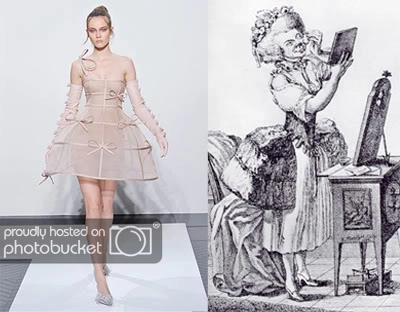
La mode is the French word for fashion, and many scholars believe there is a link between la mode (fashion) and la modernité (modernity, or the stylistic qualities of what is modern). Certainly, the number of people following fashion increased greatly in the modern era, especially beginning in the nineteenth century, due to the spread of democracy and the rise of industrialization. The later nineteenth century witnessed both the mass-production of ready-to-wear clothing and also the development in Paris of the haute couture. Although most dressmakers then were women, some of the most famous early couturiers were men, such as Charles Frederick Worth. Other famous Paris couturiers of the twentieth century include Gabrielle “Coco” Chanel, Christian Dior and Yves Saint Laurent.
Haute Fashion vs. Ready to Wear
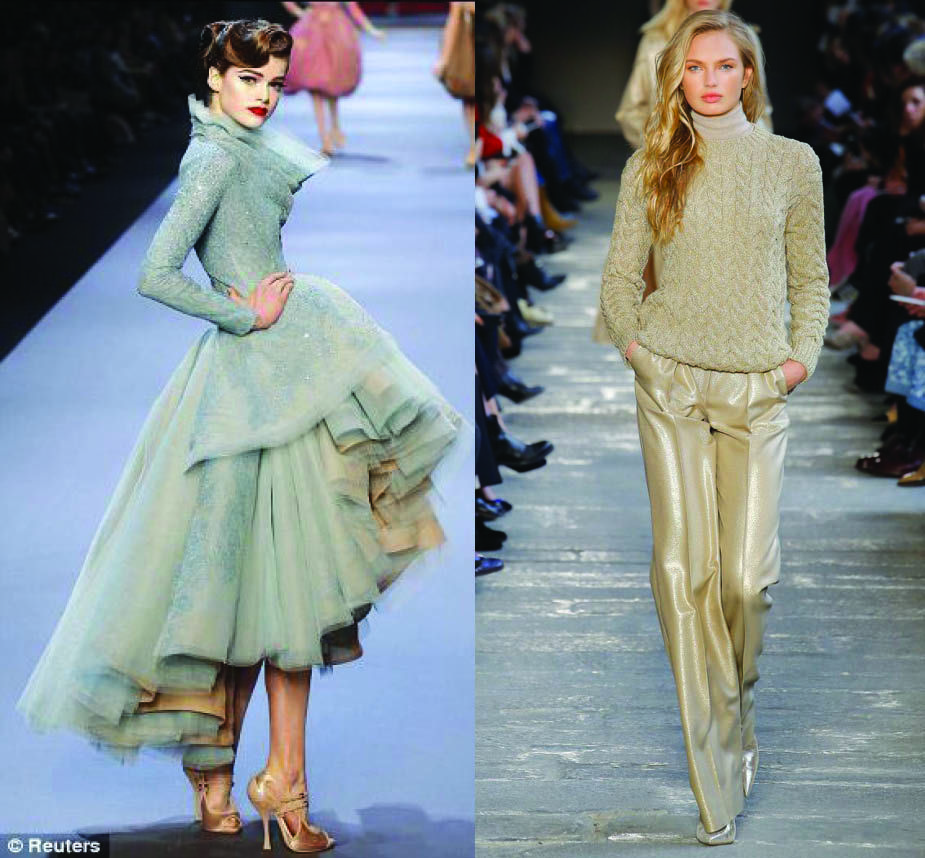
It is popularly believed that there is a great difference between high fashion and ordinary clothes, but this is not the case. Designers such as Chanel and Dior sold expensive fashionable clothes to a relatively small number of people, but their designs were widely copied by manufacturers, who sold the “knock-offs” for a fraction of the price of the originals to a much more extensive clientele. Another popular myth is that men do not wear fashion. While it is true that men’s clothing changes more slowly and subtly than women’s clothing, it, too, follows the fashion. In the 1980s, for example, Giorgio Armani designed fashionable men’s suits and jackets that had a profound influence on menswear generally. Finally, it is widely assumed that changes in fashion “reflect” societal change and/or the financial interests of fashion designers and manufacturers. Recent research indicates, however, that there also exist “internal taste mechanisms,” which drive changes in fashion even in the absence of significant social change. Particularly relevant is Stanley Lieberman’s research on fashions in children’s first names, which are clearly unaffected by commercial interests. No advertisers promote the choice of names such as Rebecca, Zoe, or Christopher, but they have become fashionable anyway.
Impact on Fashion
It was in the realm of fashion that the impact of “Orientalism” could also be profoundly felt. Platform shoes from central Asia led to the creation of the Venetian chopine in the sixteenth century. Textiles from all over Asia, primarily China, India, and Turkey, inspired the creation of fashions like the robe á la turquerie in the eighteenth century. This was a more extraordinary phenomenon since the fear of Turkish Islamic invaders was a constant and imminent threat. Coupled with the threat of an invasion was a diametrically opposed view: the romantic notion of a far-distant land, such as Cathay (or China), filled with genteel philosophers and lovers of art. This idealized impression of China would continue until the rise of the industrial revolution and European colonialism in the early nineteenth century. The gritty reality of ever-increasing business transactions between East and West, as well as the ever-encroaching military dominance by European powers in Asia was firmly cemented by the middle 1800s.
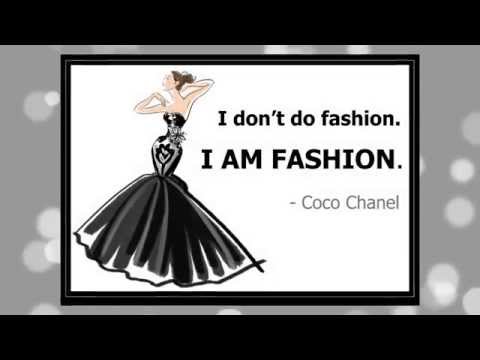
Fashion becomes you when you become fashion. The drill is simple, listen to yourself and display the one thing you know best: yourself! Over the years, this what the legends of the fashion industry have taught us. Many have come and gone, but the ones who’ve timelessly captured our attention with their style and representation are the ones who’ve inspired us the most.
 What is Fashion?